
How to Decrystallize Raw Honey Without Damaging Its Quality
Key Takeaways
Crystallization is a natural change in honey and does not mean the jar has spoiled.
Gentle warmth from a warm water bath can return crystallized honey to a smoother consistency.
Proper storage at room temperature can help slow future crystallization.
If you are wondering how to decrystallize honey, the good news is that the process is simple. Raw honey can naturally become cloudy, thick, or grainy over time as its sugars form crystals. Learning how to decrystallize raw honey with gentle heat can restore a smoother texture while helping preserve the flavor and quality that make minimally processed honey special.
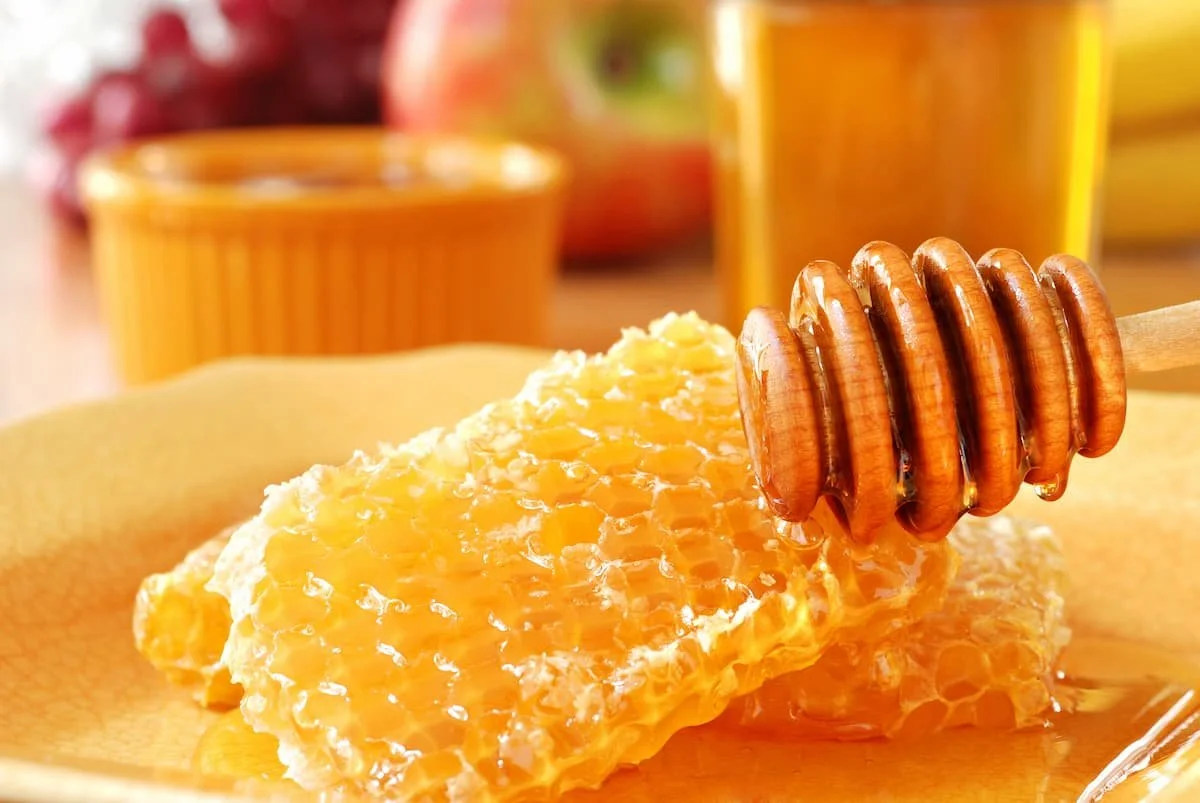
Image Credit: Marie C Fields |Shutterstock
Why Does Raw Honey Crystallize?
Honey contains natural sugars, especially glucose and fructose. Over time, glucose can separate from the liquid and form crystals. Floral source, storage temperature, and natural particles affect how quickly this happens.
Crystallization is not spoilage. Honey may thicken or become difficult to pour while remaining usable.
How to Decrystallize Raw Honey Safely
The easiest method is a gentle warm water bath.
Fill a pot or heat-safe bowl with water around 100 to 110°F.
Take the pot completely off the stove before adding the honey.
For glass, keep the lid closed. For a food-grade plastic squeeze bottle, loosen the cap slightly and keep water below the cap line.
Let the container sit for 15 to 30 minutes. Stir the honey in the glass jar with a clean, dry spoon.
Replace cooled water with fresh warm water and repeat until the honey reaches your preferred consistency.
If honey is rock hard in plastic, run the closed bottle under hot tap water briefly. Once softened, transfer it to a glass mason jar for a warm water bath.
Crucial Safety Rules for Plastic Containers
Never use boiling water on a plastic honey bottle. High heat can damage plastic. Remove the pot from the stove before placing plastic in the water.
Make sure the bottle is food-grade. Keep the cap slightly loosened so air can vent, with water below the cap.
Testing Water Temperature Without a Thermometer
Test the water with your inner wrist or elbow. It should feel comfortably warm, never hot. If you want to pull away, let it cool.
At 100 to 110°F, the water should remain calm. Steady steam or small bubbles on the bottom mean it should cool before you add plastic containers.
How to Store Raw Honey After Decrystallizing
Once smooth, let the honey return to room temperature and seal the lid tightly. Store it in a dry pantry away from sunlight, ideally around 50 to 70°F.
Refrigeration can encourage crystallization. Avoid temperatures around 50 to 59°F and keep honey away from uninsulated outside walls.
Keep the bottle clean and dry. Honey absorbs moisture, while crumbs can give crystals a place to form. Use clean, dry utensils and close the container securely.
Can I completely prevent honey from crystallizing?
Not always. Proper storage can slow the process, but crystallization still occurs naturally. If crystals return, repeat the gentle warming process.
Enjoy Texas Honey the Way You Like It
At Sweet Bee Gardens, we keep our Texas honey raw, unfiltered, and minimally processed so you can enjoy its natural flavor and character. If your jar crystallizes, gentle warming can help bring back the pourable texture you love.
Shop our raw honey collection online, or look for Sweet Bee Gardens at H E B and Murdoch’s locations throughout Texas. Questions about our honey or products? Contact us and our team will be happy to help.
